Field notes: the trade show exhibitor list missed most of the market
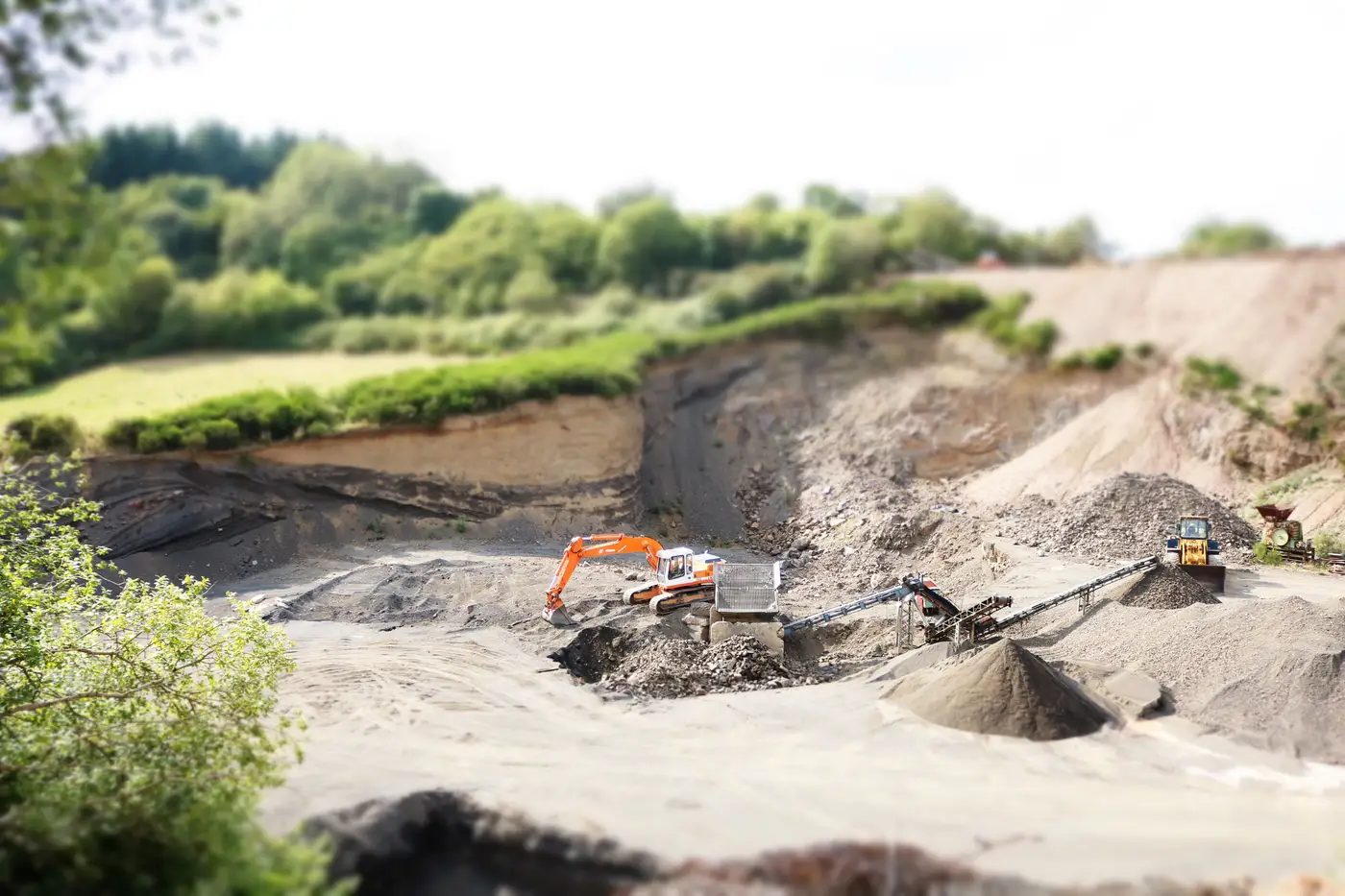
Every fall I pull the exhibitor list from whichever show matters to my category that year. Aggregates, scrap, ag equipment, whatever the client's doing. It's the fastest way to get two hundred logos into a spreadsheet by lunch. For years I treated that list like a proxy for the market itself: if a company had a booth, it existed in my TAM math. If it didn't show up, I quietly assumed it was small, dormant, or already somebody's dealer problem to find.
Then a client asked a plain question I couldn't answer. He ran territory planning for a dealer network selling crushers and screens, and he wanted to know how many independent pits operated inside three counties that didn't currently show a single named account. I went to the exhibitor list first, out of habit. It had maybe four companies headquartered anywhere near those counties, and none of them were pit operators. They were the equipment brands selling to pit operators.
The pits themselves weren't on the list. A family-run quarry working forty acres off a county road, a gravel operation that's been there since the seventies, these places don't exhibit at a trade show. They don't attend either. Some of them don't have a website that ranks for anything at all.
That's the quiet bias built into every exhibitor or attendee list: it only counts sites whose owners decided a trip, a badge, and a booth fee were worth it that year. That selects hard for scale, for growth-mode operators, for companies with a marketing line item in the budget. It selects against the guy who's run the same two crushers on the same forty acres for thirty years and has no interest in travel. Those sites aren't noise in the data. In aggregates, scrap, and ag equipment, they're often most of the install base by count, even when they're a small slice of category revenue.
I've started treating the exhibitor list the way I'd treat a self-reported survey. It tells me who's engaged. It doesn't tell me who exists. The real census asks where the yards, the pits, and the terminals sit on the ground, regardless of whether anyone there has ever heard of the show. That's a different data source entirely, built from what's standing in a field rather than who filed to attend an event. D&B records and SIC codes get you partway, but they're built on filings and registrations, and a lot of this market runs under an LLC that files nothing interesting and tells you nothing about what's on the ground.
The fix I've landed on is to stop asking who's visible and start asking what's physically there. A site running crushers has a footprint you can pick out from altitude: stockpiles, haul roads, an equipment signature that doesn't look like anything else nearby. That's a different kind of list than an exhibitor roster, and it's the one I trust now when a client asks how big the whitespace is. It's also the idea behind Facility Discovery, which runs that kind of sweep at country scale instead of waiting for the market to raise its hand first.
Next time someone hands you a show list and calls it market coverage, ask how many sites in your territory have never bought a booth in their life. In my experience that number runs higher than anyone on the call expects, and it's where most of the open territory sits.
If that's the gap you're trying to close in your own territory, that's exactly what Facility Discovery is built to find.