How to brief a regional sales team off a newly geocoded facility census
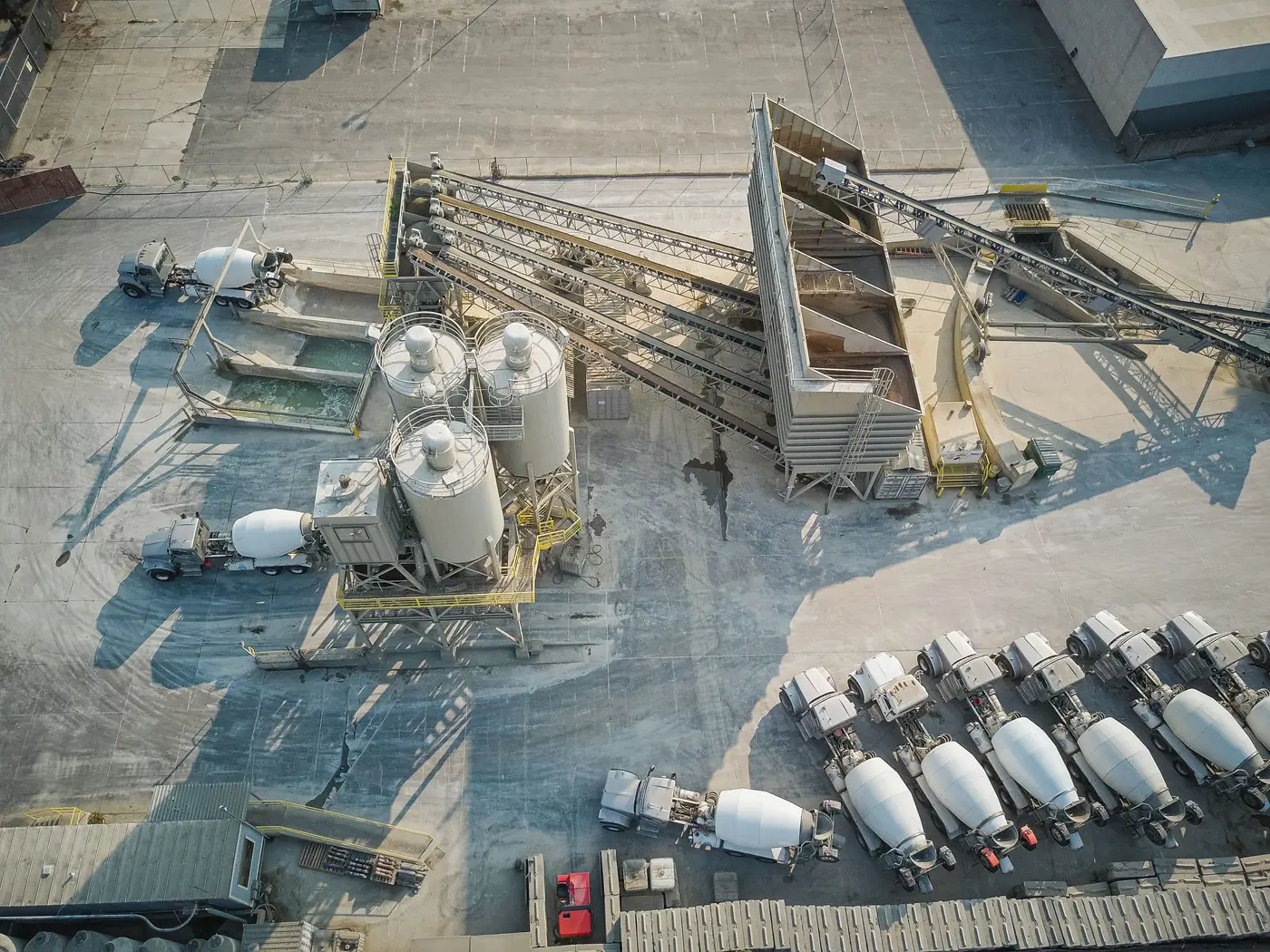
You finally have it: every yard, plant, terminal or pit matching your target signature, pinned to a coordinate, country-wide. Getting a regional sales team to trust that census and work it without you standing over their shoulder for three weeks is the real work now.
Most of the pain in this handoff comes from the gap between how an analyst thinks about a facility (a point with an address, a size class, a confidence note) and how a rep thinks about a territory (a list of accounts they can drive to this quarter). If you hand over a spreadsheet of lat/longs and say "go," you'll get a team that either ignores it or burns a week trying to make sense of it themselves.
Turn the census into territory slices before anyone sees it
Don't ship the raw census to the field. Slice it first by whatever boundary your sales org already uses: zip clusters, distributor regions, existing rep patches. If a rep covers the Gulf Coast, their first look at the data should be a Gulf Coast subset, not a national file they have to filter themselves.
Inside each slice, sort by whatever signals urgency for your product. A facility that showed up in this year's sweep but wasn't in last year's inventory is a different conversation than one that's been sitting there for a decade. If your census is annual, that delta (new sites, sites that look expanded, sites that look idle) is often more useful to a rep than the raw count, because it tells them where something changed.
Strip anything that reads like an internal QA note. "Possible duplicate, check against CRM" belongs in your working file, not in the list you hand a rep who's going to cold-call a site manager Monday morning.
Give each site enough context to make the first call worth making
A pin on a map gets a rep in the parking lot. It doesn't get them past the front desk. For every site in the call list, include what you'd want to know before dialing: approximate footprint or site class if you have it, how long it's been active in your data, and whether it's new to this year's sweep or a known entity getting flagged again.
Be straight about what the census does and doesn't tell them. It confirms a site exists, where it sits, and roughly what kind of operation it looks like from above. It doesn't tell them who runs it, what equipment is inside, or whether they're already a customer under a different legal name. That's still the rep's job to find out, and saying so up front saves you a round of "why doesn't this match our CRM" complaints later.
Set expectations on cadence and what "new" means
If this is an annual sweep, say that plainly in the briefing. A rep who assumes the list refreshes monthly will get frustrated when a site they flagged as "built last week" turns out to have been sitting in last year's pass too, just missed on the ground. An annual census is a snapshot, not a live feed, and the briefing should make that distinction clear rather than let the team discover it mid-quarter.
Walk the team through one or two sample entries live, on a call or in person, rather than sending a memo. Pick a site near someone's own territory so the exercise isn't abstract. Show them how to read the confidence note, how to tell a new hit from a returning one, and where the list stops answering questions and their own legwork starts.
Keep a feedback loop open
Once reps start working the list, they'll find things you didn't: a site that's actually two separate yards, one that's been shut for a year but still reads as active from the imagery, an address that doesn't match what's on the ground. Give them a simple way to flag it back to you. That feedback makes next year's sweep sharper, and it also builds trust in the current one, because the team sees their corrections land somewhere.
A geocoded census only pays off once a sales territory is built on top of it and a rep is dialing from a call list that makes sense to them. If you're still working from a patchwork of permit filings and old distributor maps to find the sites in the first place, Facility Discovery runs that annual sweep so you start the briefing with a real list instead of a guess.
Worth a look if your next planning cycle is still waiting on an address list that doesn't exist yet.