Sales territories for a market with no address list
Most territory maps start with a list somebody else already built. A purchased directory, a dealer roster, a list of permit holders from the state. You import it, cluster the pins, draw lines around the clusters, and hand each rep a patch with a defensible number of accounts in it.
That workflow falls apart the moment your target market doesn't have a list. And for a lot of OEM categories, it doesn't.
Why the list doesn't exist in the first place
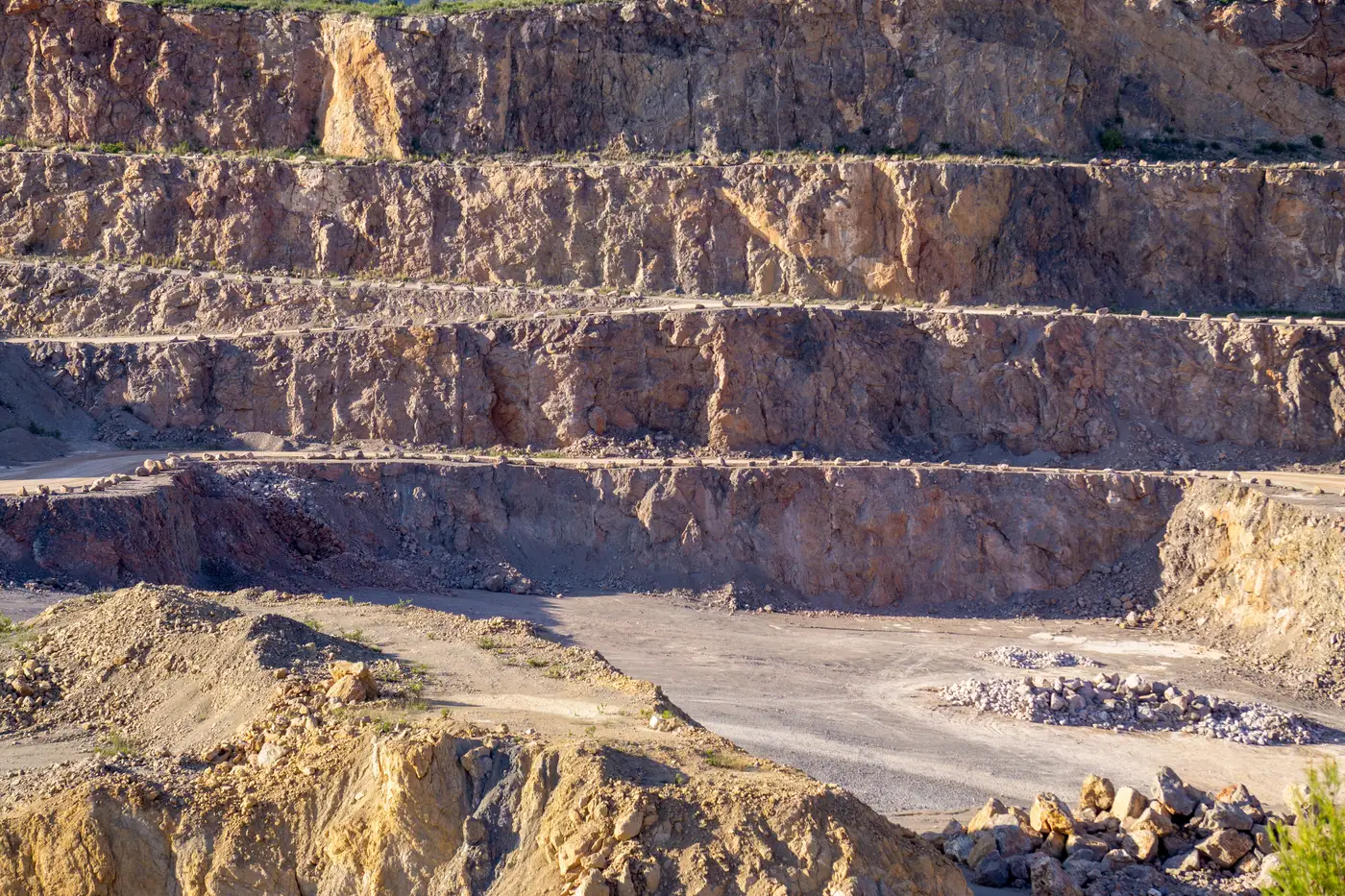
Scrap yards, aggregate pits, concrete batch plants, independent fabrication shops, equipment rental yards operating off one lot. These businesses are real, they're buying or renting the equipment your reps sell, and they're almost never captured cleanly anywhere. A few reasons that keeps happening:
They get filed under a generic industry code that lumps them in with businesses nothing like them, so pulling "concrete" from a commercial database gets you ready-mix suppliers and skips the small batch plants running off a single site. Many operate without the kind of permit that would put them in a public registry, especially pits and yards that have been running for decades under a grandfathered status. Trade associations only know about members who pay dues, and plenty of sites that would qualify never joined. And some of these operations simply don't advertise. No website, no listing, no reason to show up in a search.
The result is a market that's visibly there if you drive the county roads, and nearly invisible in anything a data broker will sell you.
Count the facilities before you draw a boundary
A territory boundary is a promise to a rep about how much work is in that box. If the account count feeding that promise is missing a third of the real sites, the boundary is wrong before anyone starts selling, and the rep finds out the hard way when they're driving past yards nobody told them about.
The first job is building the list the boundaries will sit on top of, before any lines get drawn.
That starts with describing the physical signature of the site you're after: the stockpile shapes and bays at a pit, the stacked material and crane runs at a scrap yard, the mixer silos and aggregate bins at a batch plant. Once that signature is defined, a sweep across high-resolution satellite imagery can flag every site that matches it across a county, a state, or the whole country, not just the ones that happen to carry a license or pay for a listing. Each flagged site gets geocoded, run against existing data to drop duplicates, and reviewed to clear out false positives before it counts as a confirmed location. This is the gap an annual facility sweep is built to close, run yearly so the list doesn't go stale the way a one-time crawl does.
What you get out of that process is a point file: every matching facility, with coordinates, sitting in a spreadsheet instead of scattered across the landscape in your head.
Turning the point file into sales regions
Once the facilities are geocoded, territory planning becomes a workload exercise instead of a guessing exercise. You're balancing drive time against site density across every known location in the patch, no longer working from whatever list happened to land on your desk. Rural territories with pits spread forty miles apart need a different shape than a metro area with a cluster of scrap yards inside a ten-mile radius, and you can only see that difference once every site is on the map.
Quota setting improves the same way. A rep assigned twelve known accounts and a quota based on twelve is working from a number that doesn't match the forty-plus sites sitting in their patch. Close that gap first, then set the number.
A directory you buy tells you about the businesses that chose to be listed. A geocoded census built from what's actually on the ground tells you about the market, whether it registered anywhere or not.
If your territories cover a market like this, it's worth a look at what an annual facility sweep could add to the account list you already have.