How to spot a facility that moved addresses between sweeps
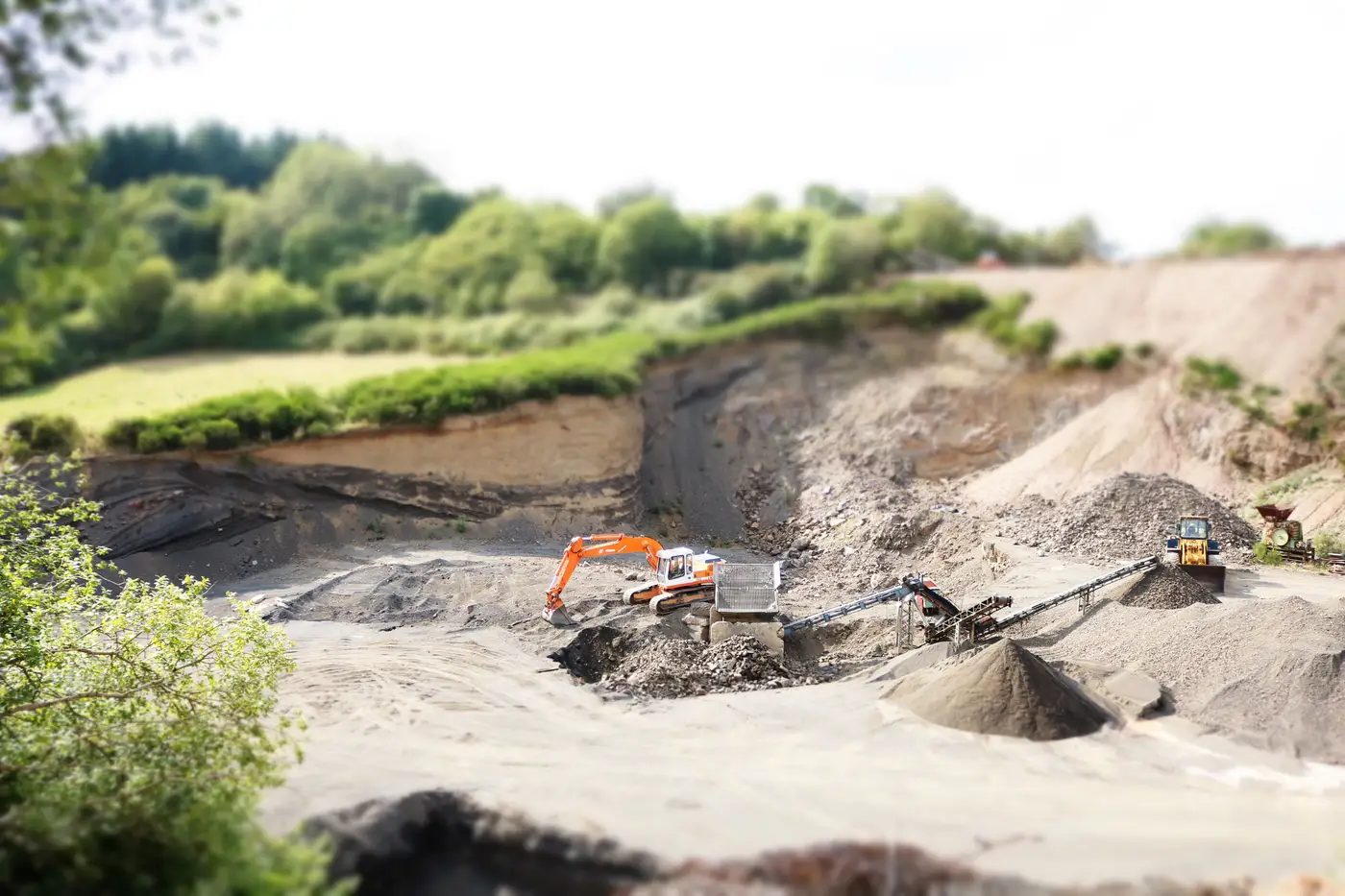
Every analyst who works from a facility list hits the same wall eventually. A yard that was active last year shows up empty this year, and a yard two counties over that didn't exist on last year's list is suddenly running. The directory still has the old address. Nobody filed an update. The question is whether that's one operator who relocated, or two unrelated events that happened to land in the same twelve months.
Address drift is normal in this business. A pit gets worked out and the operator moves the crusher to a new lease. A terminal loses its ground lease and sets up three miles down the rail line. A fabrication yard outgrows its lot and takes a bigger parcel on the edge of town. None of that gets filed anywhere fast. State registries, D&B records, and county assessor data all lag the physical reality by a year or more, sometimes longer if the operator never bothers to update anything beyond what's legally required.
Why the paper trail lags the ground truth
Most small and mid-size operators update their registered address only when something forces it, a tax filing, a permit renewal, a loan application. A relocation doesn't force anything if the business entity stays the same. So you get a facility that's physically gone from site A and physically present at site B, while every public record still points to site A. If your facility list is built off those records, it's wrong twice: once for showing a site that's empty, and once for missing a site that's live.
This is the gap an annual sweep is built to catch, since it's looking at the ground rather than the paperwork.
What a relocation looks like between two passes
When you're comparing this year's pass against last year's, a genuine relocation usually shows a few things together, not just one:
- The old site goes quiet in a way that looks like a planned wind-down rather than abandonment. Stockpiles drawn down, equipment gone, no new material staged. Compare that against a site that just stopped operating and sat there with equipment still parked. The second one is more likely a closure, not a move.
- A new site appears nearby, within the same region or along the same rail or highway corridor the operator was already using. Operators relocate for cost or lease reasons, not usually to jump states.
- The structural signature matches. Same rough footprint on the main building, same stockpile arrangement, same equipment count and layout logic. If the old site ran three conveyor lines into a single load-out, and the new site shows the same configuration, that's a much stronger read than two sites that just happen to be the same square footage.
- The timing lines up. The old site typically goes quiet in roughly the same window the new one lights up. A six-month overlap where both run is common during a physical move. A two-year gap between one closing and another opening somewhere else is more likely coincidence or a different operator entirely.
None of these on its own proves relocation. A new entrant can build a yard with a familiar-looking layout because that's just how that type of facility is built. The combination of quiet-old-site, new-nearby-site, matching footprint, and matched timing is what separates "this operator moved" from "two unrelated things happened."
Confirming it's the same operator before you update the record
Before merging the old address and the new one into a single facility record, check the signal against something external if you can, a business registration update, a permit application under the same entity name, a press mention of a relocation. The imagery tells you a move probably happened. It won't hand you the operator's name or confirm the entity on its own. Treat a strong imagery match as a flag that earns a verification step, not as proof you write straight into the record.
This is the exact gap that an annual, country-scale sweep is built to close, since a yearly pass over the same target signature catches the new site showing up and the old one going quiet in the same cycle, instead of waiting for a filing that may never come.
If facility address drift is costing you clean coverage on a target segment, that's the problem Facility Discovery exists to chip away at, one annual sweep at a time.