False negatives cost more than false positives in a facility sweep
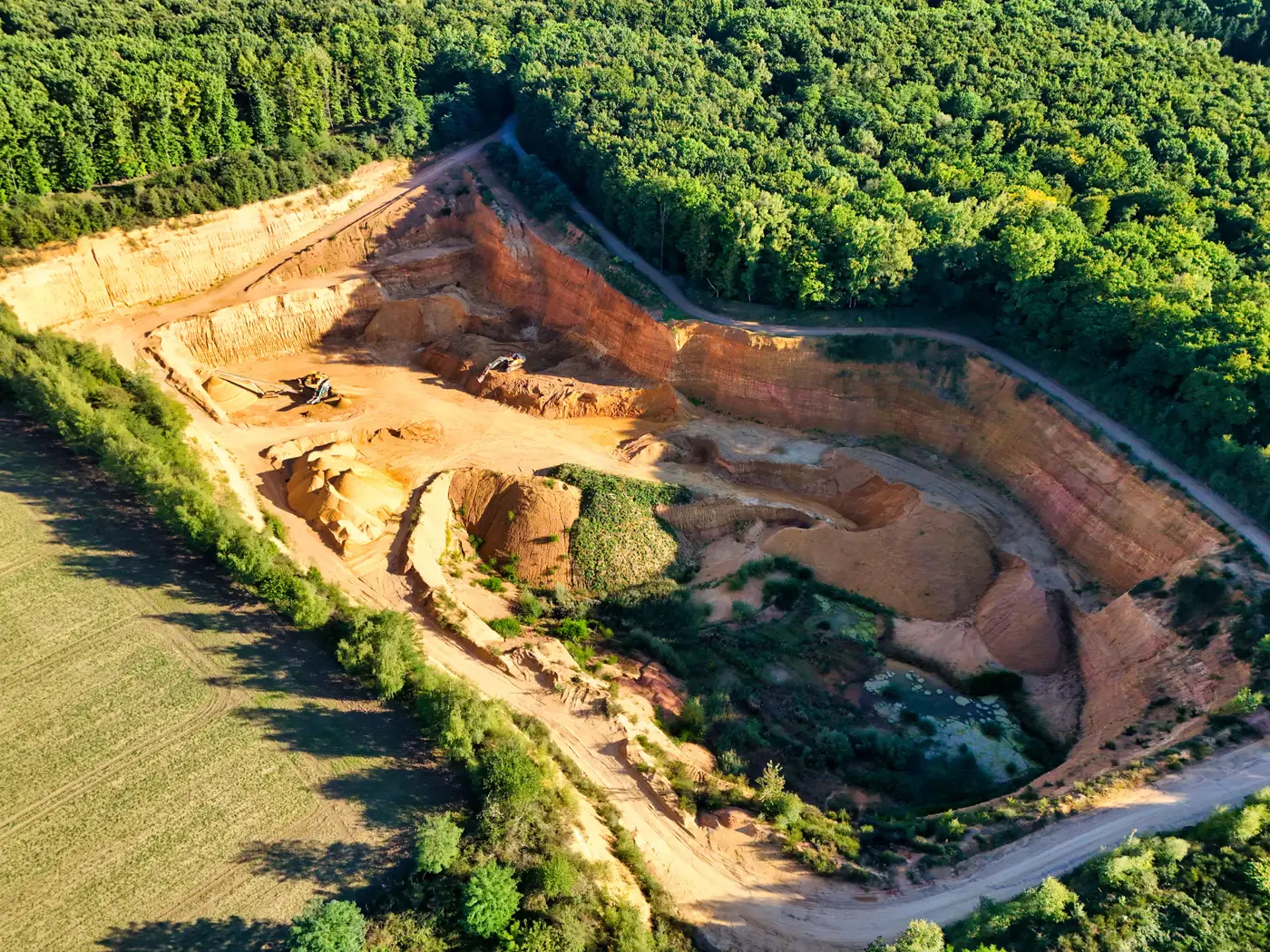
In an annual facility sweep, a false positive is a hit that turns out to be nothing. The algorithm flags a cluster of structures matching your target signature, an analyst pulls up the tile, and it's a parking lot or a self-storage complex, not the yard or terminal you're hunting. A false negative is the opposite failure: a real site that exists, matches your signature, and never shows up on the list at all.
Both are errors. They are not the same kind of error, and they don't cost the same thing.
A false positive is a five-minute problem
When a sweep over-flags, the fix is QA. Someone reviews the candidate, marks it as not-a-match, and moves to the next tile. It's tedious at volume, but it's bounded work. You know exactly how many candidates need review because the list tells you. The cost is analyst hours, and those hours are visible on a timesheet.
A false positive also doesn't hide. If a flagged parking lot shows up in a weekly QA batch, someone catches it before it reaches a sales territory map or a planning brief. The failure surfaces itself.
A false negative is a blind spot that compounds
A missed site doesn't surface itself. There's no QA queue for a facility that was never flagged, because as far as the output is concerned, it doesn't exist. Nobody goes looking for something the system didn't tell them to look for.
That's the real difference. A false positive generates a review task. A false negative generates silence, and silence gets mistaken for completeness. A territory rep works a region assuming the site list is the universe of accounts to call on. A planning team sizes a market off a count of facilities. If three plants in that region never made the list, the rep's territory is undersized and the planner's market model is wrong, and neither of them has a reason to suspect it.
The cost of a false positive is an hour of review work. The cost of a false negative is a decision made on a list that looks complete but isn't, and that decision can stand for a full year before the next sweep has a chance to catch what the last one missed.
Why annual cadence changes the math
An annual sweep means a missed site stays missed for up to twelve months before the next run gives it another chance to get flagged. If a new fabrication yard went up in March and the sweep ran in June off imagery from April, it's not in this year's output. It won't resurface until next year's run, and only then if the signature still matches and nothing's changed about the site in between.
That lag is the reason false negatives cost more under an annual cadence than they would under a more frequent one. A false positive caught in review is a closed loop inside the same QA pass. A false negative is an open loop that stays open until the next annual cycle, and during that stretch, every team working off the list is working off a gap they can't see.
This is also why review-tolerant thresholds make sense for this kind of sweep. A detection pass tuned to flag generously, including some clusters that turn out to be parking lots or warehouses, loses less than one tuned to flag conservatively and drop sites that didn't quite match the signature without saying so. You can review away a false positive in minutes. You can't review away a site you never saw.
What this means for a site list you plan to use
If a list is going to feed territory assignments, capacity models, or acquisition screening, the question worth asking isn't "how accurate is this." It's "what did this run choose to miss, and why." A sweep that explains its signature and shows its candidate set, including the ones that got screened out as false positives, gives you a way to reason about what else might be sitting in the gap. A sweep that only hands you a clean final list gives you no way to check its blind spots at all.
That's the difference between a list you can sanity-check and one you have to take on faith. Facility Discovery runs its annual country-scale sweep around that distinction, flagging candidates against a target signature you define and keeping the screened-out candidates visible rather than cutting straight to a tidy final number.
If your current site list has gone a year or more without a sweep behind it, it's worth asking what might be sitting outside it.