What is a fragmented market, and why doesn't it have an address list?
What "fragmented" actually means in site counting
In OEM market work, fragmented means something specific: the number of individual sites running a given process is large, ownership is split across thousands of independent operators, and no single source accounts for more than a slice of them.
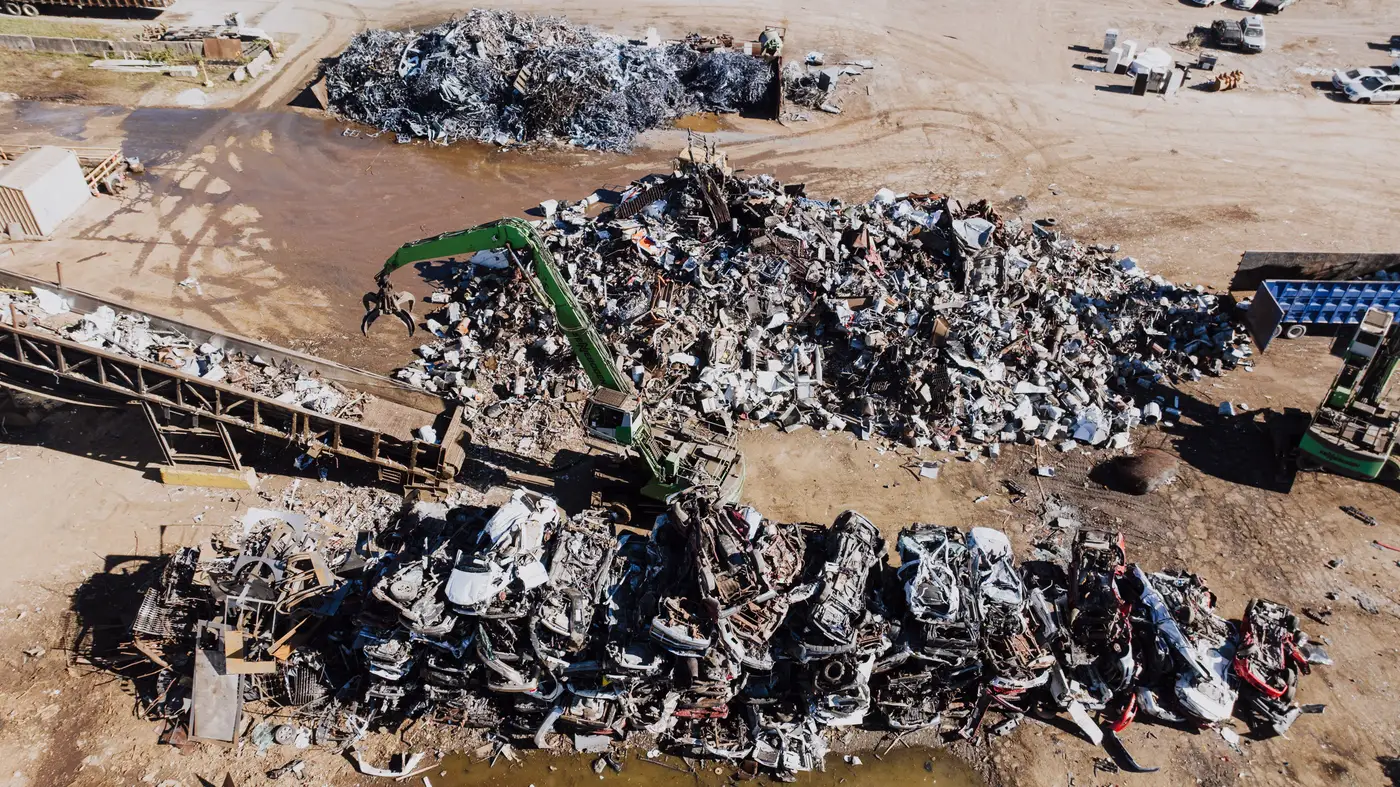
Ten plants in a trade directory is just a small market, not a fragmented one. A fragmented market is the scrap yard sector, where a metro area can hold forty operations and the state scrap association lists six. It's independent crush-and-screen aggregate pits, contract feedlots, chemical blending operations that never file anything a federal database would pick up. Low entry cost plus local permitting equals an industry nobody was ever assigned to count.
Why no one built the list
Directories exist where someone had a reason to build one. Franchise networks get counted because the franchisor needs a master list to run royalties. Public companies get counted because securities filings require site disclosure. Large manufacturing plants above certain emissions thresholds get counted because EPA permitting requires it.
Below those thresholds, the incentive disappears. A five-acre scrap yard doesn't file with the SEC. A gravel pit under state tonnage limits may only need a county conditional-use permit, filed on paper, in a format that varies by county and gets digitized inconsistently if at all. Add a business that operates under a DBA different from the parent LLC, or a site that's been running for fifteen years under a permit issued before the county's current records system existed, and you've got a facility that exists in the physical world and nowhere in any spreadsheet.
Trade associations try to fill the gap, but membership is voluntary and skews toward the larger operators who find value in dues and conferences. The long tail, which is often most of the market by site count, has no reason to join and no reason to self-report.
SIC and NAICS codes don't solve it either. A facility can be miscoded by whoever filled out the original business registration, and nobody revisits that code once it's on file. An analyst pulling NAICS 423930 (recyclable material merchant wholesalers) to find scrap yards will miss the ones filed under a general contractor code, and will catch some that are just paper brokers with no yard at all.
What this does to your market sizing
When you build a TAM or size an addressable base for a market like this, you're not working from a census. You're working from a partial list plus extrapolation, usually some multiplier applied to known sites based on population density or industry benchmarks from a different region. That multiplier is a guess dressed up as a number, and it compounds every time someone downstream treats it as ground truth.
Sales territory planning inherits the same gap. A rep gets a target list built off the association directory and a purchased marketing database, and spends the first six months of the job finding half the real prospect base by driving around and asking contacts who else is operating nearby. That's manual discovery, done one windshield survey at a time, for a job that should have started with a complete list.
This is the condition Facility Discovery is built against: industries where the physical sites are real and countable from above even when no filing system ever counted them from the ground. The fix is finding the sites directly, the way a flyover or a satellite pass would, independent of whether anyone ever filed paperwork on them.
If your market is one of these, the gap between what's on your target list and what's actually operating is worth sizing before it costs you another quarter of territory guesswork.