What is site churn, and why a facility census needs a refresh
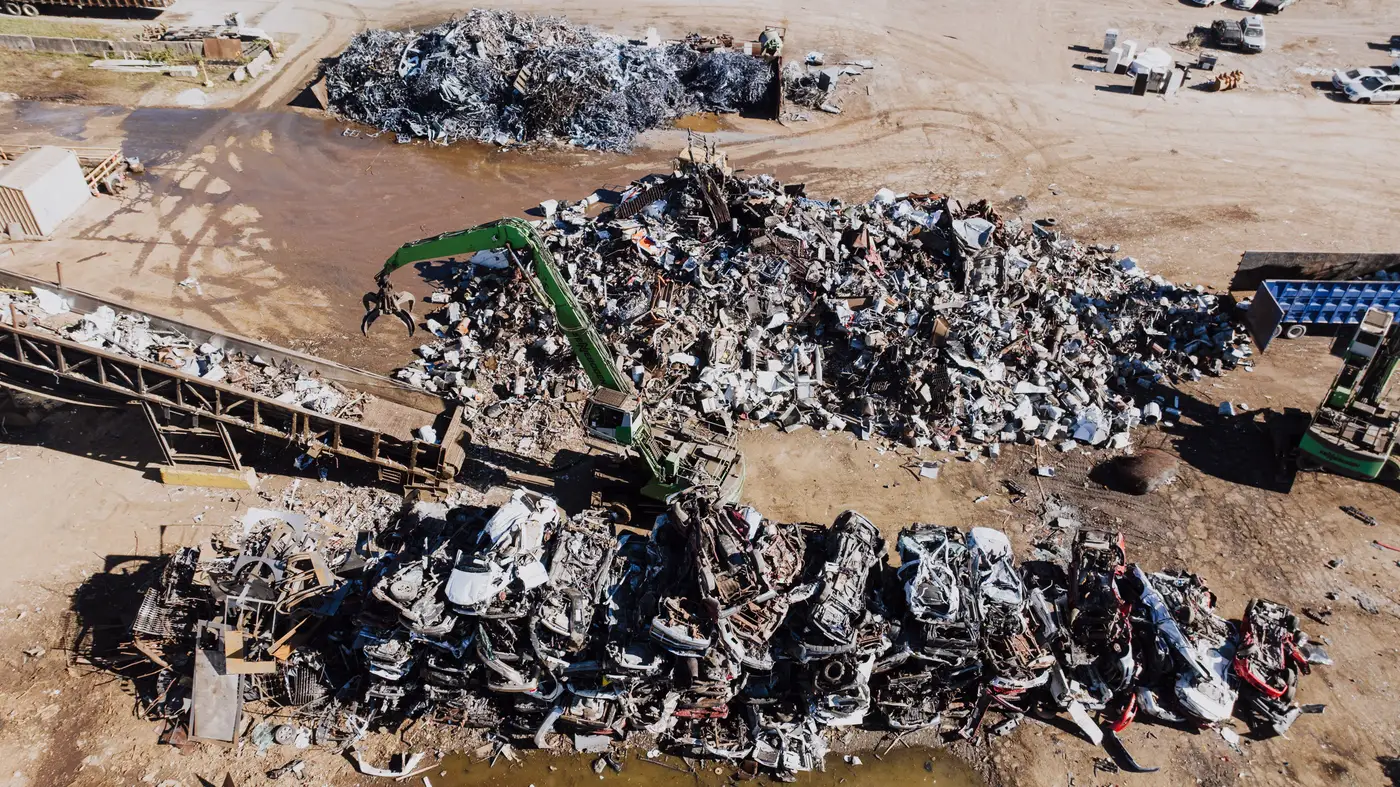
If you track physical sites for a living, you already know the list you built last year is wrong by the time you open it again. Not wildly wrong. Wrong in the way that matters: a handful of yards closed, a couple of pits went quiet, somebody opened a fabrication shop on a parcel that was a storage lot in January. That drift has a name in the trade now: site churn. It's the rate at which facilities in a given category open, close, relocate, or flip between active and idle in a market where nobody keeps a clean, current roster.
Churn isn't unique to any one industry, but it's worst in the fragmented ones. Scrap yards, aggregate pits, concrete batch plants, bulk terminals. These sectors don't run through a trade association that publishes a yearly directory. Permits get filed with a county, a state, sometimes nobody at all if the operation predates current zoning. A facility can go from three trucks a day to a padlocked gate without filing anything that shows up in a database search six months later.
What counts as churn, specifically
When people say "facility turnover rate" they usually mean four things happening at once, not one:
New opens. A site starts operating that wasn't there, or wasn't operating, last cycle.
Closures. A site goes dark. The gate's chained, the stockpile's gone, the scale house sign is gone or peeling.
Relocations. The operator didn't close, they moved two parcels over or across the county line, which from a sales-territory standpoint is functionally a close-and-open pair even though it's the same company.
Status flips. A site sits idle for a season, then comes back online, or the reverse. This one is the easiest to miss because nothing visually dramatic marks the transition on the ground, just a change in whether trucks are moving.
Any list that treats a facility roster as a fixed asset, something you build once and maintain by exception, is going to understate all four of these every single year. The understatement compounds. A 5-10% churn rate sounds survivable until you've gone three years without a refresh and a third of your map is stale.
Why the published lists lag behind the ground truth
The honest reason is that most public and commercial lists are built from paperwork, and paperwork follows the facility, not the other way around. A new yard can be moving material for a year before its permit shows up in a state registry update. A closed plant can sit in a database for five years after the gate rusted shut, because nobody filed a closure notice and nobody's job is to go check. Fragmented industries don't have a central body with incentive to keep the list current, and the operators themselves have no reason to report a shutdown or a startup to anyone. The change just never reaches the list.
That's the gap a satellite-based sweep is built to close, because it doesn't depend on anyone filing anything. It looks at what's physically on the ground against a target signature, at whatever cadence you run it. Facility Discovery runs that sweep annually at 0.5-2 m resolution, RGB, re-checking the same country-scale footprint each cycle so a site that opened, closed, or moved shows up as a change against last year's read rather than disappearing into a stale master list.
An annual satellite sweep refresh doesn't catch churn the week it happens. It's not a live feed. But it means your map is never more than a year stale on open, close, and relocation, which for sales territory planning and market sizing is usually the difference that matters. A list you trust because you checked it twelve months ago beats a list you trust because nobody's told you otherwise in five years.
If your current facility count was built once and never rechecked, the honest move is to ask how much churn has likely happened underneath it before you plan next year's coverage off it. Get in touch to talk through what an annual refresh would surface in your category.